Most revision rounds don't start with bad design. They start with a vague brief. "Make it modern." "Something eye-catching." "You know what we need." Each of those sentences costs a week.
A good brief fits on one page. Here is the template I ask every client to fill in, and why each line is there.
The template
PROJECT:
- Objective: what should change after this work? One sentence, measurable if possible.
- Audience: who exactly, and what do they think or do today?
- Single-minded message: the one thing they should remember.
- Reason to believe: proof, facts or the offer behind the message.
- Tone: three words.
- Mandatories: logos, legal lines, partner marks, languages.
- Deliverables: every item with size, duration and file format.
- Channels and dates: where it runs and when.
- Budget range: production and media.
- Approvals: who signs off, and in what order.
- References: what you like and dislike, and why.
- Deadlines: first look and final delivery.
How to fill in the lines that matter most
Objective
"Increase awareness" is not an objective; it's a wish. "Get 300 visitors to register for the opening week" is something we can design for and measure.
Single-minded message
If the brief lists five messages, the design will say none of them clearly. Choose one. The others can live on the landing page or in the sales conversation.
Deliverables
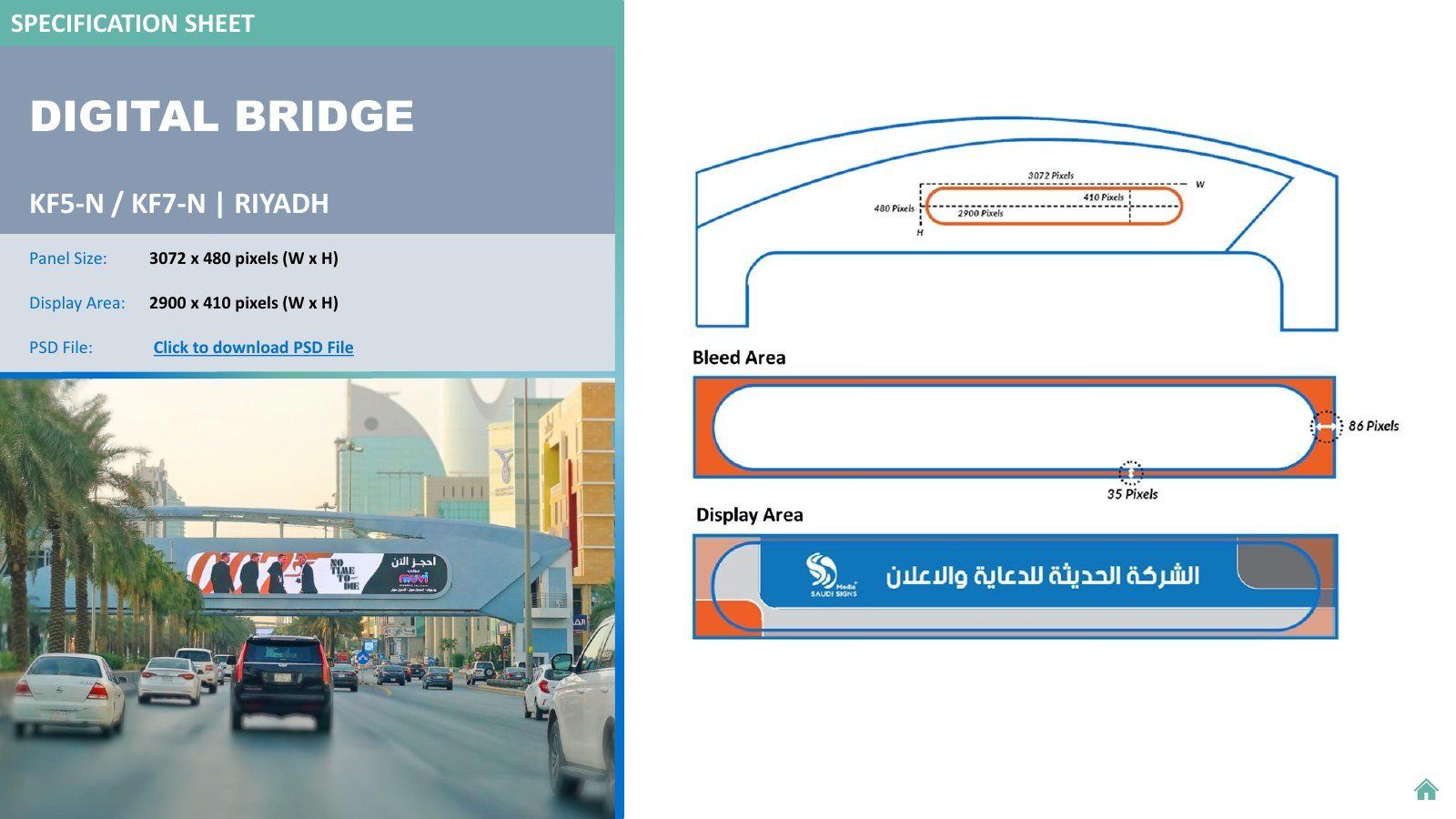
This is the line that saves the most time. "Social posts" could mean three files or thirty. List every format with its exact size: 1080×1350 feed, 1080×1920 story, the screen's native resolution, and so on.
Approvals
Many projects stall because the real decision-maker sees the work for the first time at the final round. Name every approver at the start, and agree on the order they review in.
References
"I like this" helps a little. "I like how calm this layout is, but not the colours" helps a lot. Always ask for the why.
Red flags to catch before design starts
- No measurable objective, or five objectives.
- Deliverables described as "the usual sizes".
- A deadline with no time for feedback rounds.
- An approver who isn't in the kickoff meeting.
- References that contradict each other, with no explanation.
After the brief: a 20-minute kickoff
Even a perfect brief deserves a short call. Read it back together, confirm the single-minded message, and agree on the first-look date. Twenty minutes here routinely saves days later.